
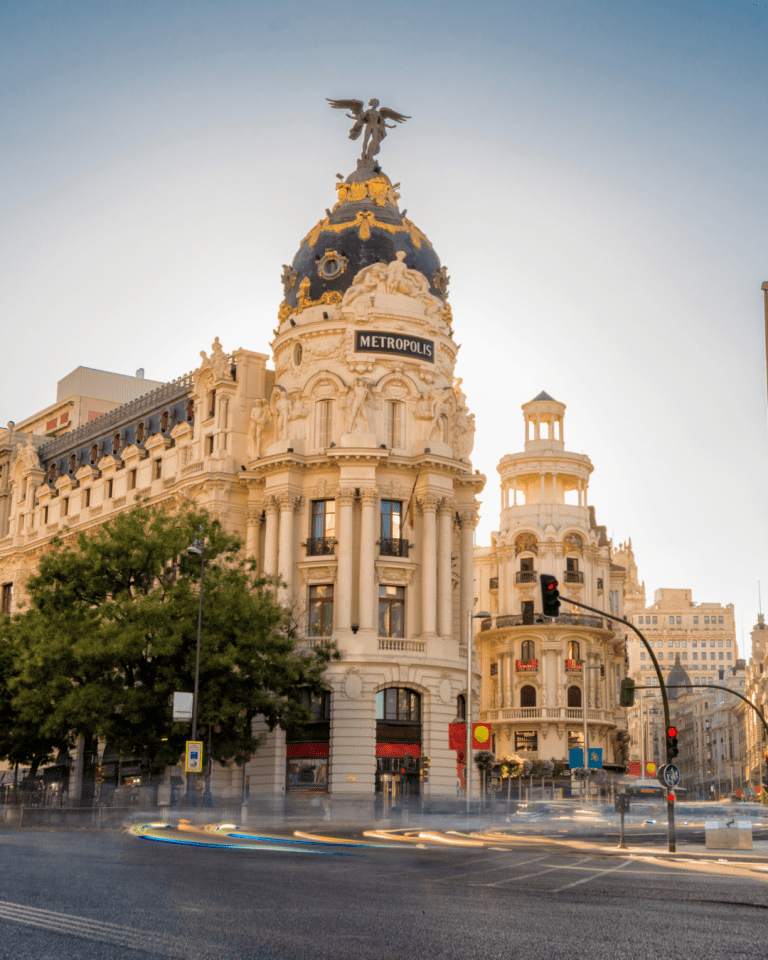
Living in Madrid: A Relocation Guide
Madrid is one of Europe’s most enjoyable capitals to live in, and it draws professionals and entire teams relocating to Spain for work every year. It pairs the energy of a major capital with sunshine, great food and a famously sociable way of life. It is also more affordable than many other European capitals, which is part of the appeal.
At Kassoe Housing we arrange furnished homes for people relocating to Madrid, so we know the city and its neighbourhoods well. This guide covers what living in Madrid is really like, what it costs, where to live, how to get around, and the honest pros and cons.
What it is like to live in Madrid
Madrid is a city built for being outdoors and being social. The sun shines for much of the year, the squares and terraces are always busy, and life often spills into the evening, with dinner and tapas running late. A few things that shape everyday life here:
- Long, sunny days and a genuinely outdoor culture
- World-class art, food and football
- A late, lively social scene built around terraces and tapas bars
- Large green spaces like Retiro Park right in the centre
- A safe, walkable city with an excellent metro
It is also a true capital, with the widest choice of work in the country and a fast, international feel, while still keeping the warmth and pace that Spain is known for.
The cost of living
Madrid is one of the more expensive cities in Spain, but it remains noticeably more affordable than capitals like London, Paris or Amsterdam. Rent is the biggest cost, and it depends heavily on the neighbourhood and how central you are. Beyond rent, the main things to budget for are:
- Transport, which is good value across the city
- Energy and utilities
- Everyday living, from groceries to eating out
Worth knowing: in serviced, furnished accommodation through Kassoe, the energy, utilities and admin are handled for you, so those are costs you do not have to set up or manage separately. Eating and drinking out, meanwhile, is far more affordable than in much of Northern Europe, which is a big part of daily life here.
Where to live in Madrid
Madrid is a city of distinct barrios, each with its own feel, and the right one depends on your budget, your commute and the lifestyle you want. As a broad guide:
- Salamanca is the elegant, upmarket district, known for smart streets and shopping. Central, and one of the priciest.
- Chamberí is classic, central and residential, popular with professionals who want to be close to everything.
- Malasaña and Chueca are the lively, fashionable neighbourhoods, full of bars, independent shops and nightlife.
- La Latina is the historic heart, famous for its tapas streets and weekend buzz.
- Retiro offers a calmer, greener feel next to the city’s biggest park, and is popular with families.
- The north and the suburbs, including business areas like Alcobendas, give you more space for your money and easy access to the city’s main office districts.
Getting around
Madrid has one of the best public transport networks in Europe, and most people who live here do not need a car. Your main options are:
- The Metro, which is fast, extensive and reaches almost everywhere
- City buses, which fill in the gaps
- Cercanías commuter trains out to the suburbs and the wider region
A single travel pass covers the whole network, and the centre itself is very walkable. You can check maps, lines and fares on Metro de Madrid. As with any city, it helps to weigh up transport and rent together, since living a little further out often means more space for the same money.
The pros and cons of living in Madrid
Like anywhere, living in Madrid is a balance, and it helps to know both sides before you arrive.
The upsides:
- Sunshine and an outdoor lifestyle for much of the year
- Superb food, art and culture
- Excellent, affordable public transport
- More affordable than most other major European capitals
- A safe, friendly and welcoming city
- Plenty of furnished and serviced accommodations
The downsides:
- Very hot summers, with a noticeable slowdown in August
- Plenty of bureaucracy to navigate when you first arrive
- Spanish is a real help, even though English is common in business and international circles
- No coast, unlike Barcelona or Valencia
For most people who move here for work, the lifestyle more than makes up for the few frustrations. And we take some of that early paperwork off your plate. We handle the admin around your home, like the rental contract and setting up utilities. You still sort your own residency and tax, but the home itself is taken care of.
Settling in and finding somewhere to live
Once you have settled on a neighbourhood, the harder part is often finding somewhere to actually live, especially if you are relocating for a project or a fixed period. A new rental market, a different language, deposits, furnishing a home and setting up utilities all take time, usually just when you are starting a new job.
This is where serviced, furnished accommodation makes a real difference. A home that is fully furnished and ready to move into, with the utilities and admin handled for you, takes most of the stress out of arriving. You can read more about what we offer.
At Kassoe Housing this is exactly what we do across Madrid and the rest of Spain. We have been arranging furnished accommodation since 2018, and we work with companies and their teams to handle every detail, from finding the right home in the right barrio to the paperwork and ongoing support during the stay.
You also deal with real people throughout. Our team knows the local market and is there to help, rather than leaving you to a booking platform. Quality matters to us too, with sustainability built into how we operate, from the furniture we choose to the energy that powers our homes.
If you are still weighing up the move more broadly, our guide to moving to Spain walks through the practical side, from paperwork to choosing a region.
In short
Living in Madrid means sunshine, great food and the energy of a real capital, at a cost that is gentler than most. Choose the barrio that fits your work and your budget, get to know the metro, and have a comfortable home ready before you arrive, and you will be set up to enjoy the city from day one.
If you are moving to Madrid for work, tell us what you need and we will help you find the right place to stay. For larger or recurring requirements, you can also make a tender request.